

ANNOUNCEMENT OF EBOLA VIRUS DISEASE IN NIGERIA: RECENT REACTIONS IN NIGERIA AND MY LIBERIA EXPERIENCE


Olakunle Osisanya fdc
olakunleosisanyag@gmail.com
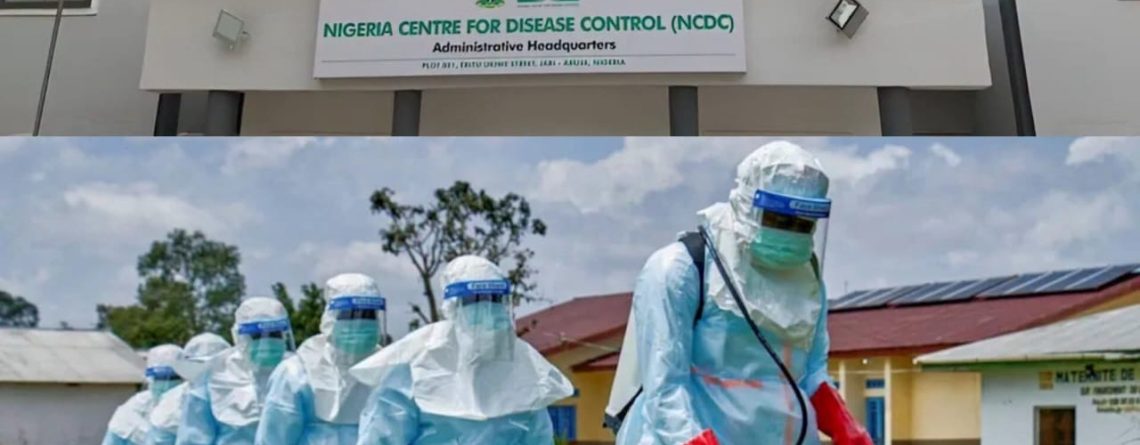
Nigeria’s Health Minister Muhammad Ali Pate recently announced a case of Ebola Virus Disease (EVD) in Nigeria, following the diagnosis from a laboratory test of a spouse of a Diplomat who recently returned from Uganda.

Alarmingly, this potential medical emergency is being politicised in Nigeria. In reaction, some politicians and their supporters have insinuated that the timing of the announcement is to prevent them from campaigning for the January 2027 elections, while others have dismissed the announcement as an attempt for corrupt enrichment by government officials.

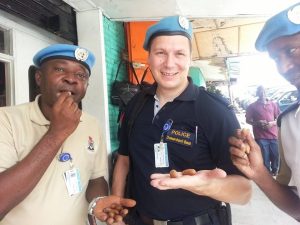
As a Nigerian citizen who was once forced to be involved in fighting this disease, I think that I have a responsibility to share my experiences, to prevent history from repeating itself.
The said reactions took me down memory lane when the EVD epidemic first hit West Africa from 2014-2016 where I served with the UN Mission in Liberia (UNMIL).
The EVD epidemic was devastating, with about 50% fatalities. It claimed about 4800 lives in Liberia, 3800 lives in Guinea, 3950 lives in Sierra Leone and 8 lives in Nigeria.
At the initial stages in Liberia, all the efforts to sensitize the citizens to the impending danger was met with similar reactions to some of the recent comments in Nigeria.
Many Liberian activists were vociferous in arguing that there was nothing like Ebola and that government officials only wanted to “eat Liberia people’s money”. They bluntly refused to abide with the precautions while inciting other citizens not to cooperate with govt measures, using radio broadcasts and the social media.
The Result:
From the very first wave of victims taken to Liberia’s major hospital in Monrovia, not only did the patients and the people that brought them to hospital die, the entire senior medical professionals of Liberia were wiped out by EVD.
As people died of Ebola, relatives who prepared the bodies for burial according to religious and traditional rites were themselves infected only to be buried within 2 weeks.
In panic, the local populace resorted to unorthodox and dangerous methods such as bathing with salt water and chewing bitter kola, all to no avail.
It was an avoidable humanitarian disaster.
The saving grace for Liberia was the presence of the UNMIL along with personel and resources to step in, after the death of hundreds of victims.
The Nigerian government equally sent hundreds of doctors and other medical personnel to support the local relief efforts.
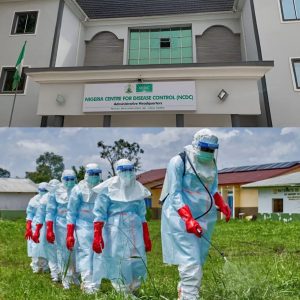
All of us UNMIL staff were forced to abandon our primary assignments to become emergency health care providers across the length and breadth of Liberia in collaboration with our Liberian counterparts and with support from the WHO.
Many other horrible things transpired but time will not allow further elaboration.
In conclusion, I wish to strongly admonish Nigerians to desist from politicising public health matters. Once the public health authorities issue a health advisory, it must be obeyed without question.
Those who choose to be sceptical are free to believe whatever, but it should not be to the detriment of the general public.
Thank you.






Leave a Reply