

African Leaders Advocate for Education, Good Governance to End Hunger


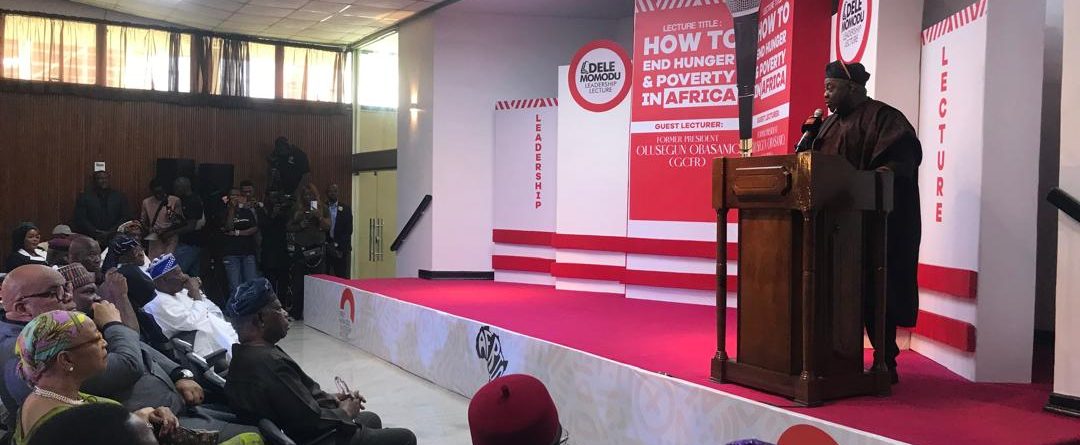
Former Nigerian President Olusegun Obasanjo identifies leadership failures, inadequate education, and unequal resource distribution as key factors contributing to Africa’s hunger and poverty crisis. In his keynote lecture, aptly themed “How to End Hunger and Poverty in Africa”, delivered at the annual leadership lecture marking Aare Bamidele Momodu’s 65th birthday on 16 May.



Aare Dele Momodu, Chairman of Ovation Media Group, in his opening address warmly welcomed attendees to the Dele Momodu Leadership Lecture. With former President Olusegun Obasanjo as the keynote speaker, Ooni of Ife, His Royal Majesty, Oba Adeyeye Enitan Ogunwusi, Governor of Osun State, His Excellency, Gov. Ademola Adeleke (Imole) and other important guests.
Momodu lauded Former President Olusegun Obasanjo, highlighting his notable integrity, saying “Unless you kill him, he will keep his words.” “Baba Obasanjo indeed lives up to his words”.

Former President Olusegun Obasanjo’s lecture underscored the significance of a multifaceted approach to ending poverty in Africa. Obasanjo emphasised the interconnectedness of hunger and poverty, stressing that addressing one issue is vital to resolving the other.
He stressed that education is not only a fundamental right but also a crucial tool for empowering individuals and communities. By prioritizing education, governments can equip citizens with the skills and knowledge necessary to break the cycle of poverty.
To achieve true progress, governments must ensure citizens’ access to education. Universal education can be a powerful tool in overcoming poverty. Former President Olusegun Obasanjo cautioned that neglecting the uneducated population can have severe consequences, potentially leading to harm for the very citizens, and may turn against the government that overlooked them.
Obasanjo’s emphasis on collective action and community-oriented leadership highlights the need for a shift in mindset. By moving beyond individualism and embracing togetherness, communities can work together to address the root causes of poverty. African communalism emphasizes community, shared responsibility, and interconnectedness.
(Ubuntu philosophy: “I am because we are,” highlighting interdependence).
Extended family systems: Strong kinship ties and collective support. Community-oriented values: Prioritizing group harmony and cooperation African communalism influences social, economic, and cultural practices, promoting solidarity and mutual support. This approach can also help foster a sense of shared responsibility and accountability, which is essential for driving meaningful change.
The former president’s words also serve as a reminder of the critical role that leaders play in shaping the destiny of their nations. Effective leaders must prioritize the needs of their citizens, ensure good governance, and work to create an environment that supports economic growth and developments.
He emphasized that good governance is crucial to progress. The former president’s words highlighted the need for collective action and responsible leadership to eradicate abject poverty in Africa. He emphasized that ending chronic hunger is closely linked to eradicating abject poverty. Some potential strategies for ending poverty in Africa, as inferred from Obasanjo’s lecture, include:
1. Food security
2.Investing in education infrastructure and resources as fundamental to banishing poverty
3. Promoting community-led initiatives and collective action
4. Fostering good governance and accountability
5. Supporting economic development and job creation
6. Encouraging responsible leadership and citizen engagement
7. Ensuring security and protection of life
Education is Key : Obasanjo stresses that education is fundamental in banishing poverty and hunger. He advocates for bringing over 44 million out-of-school children into the formal education system to develop their innate abilities and empower them for productive life.
Leadership Matters: Effective leadership, integrity, discipline, and good governance are essential tools to eliminate hunger and poverty. Obasanjo believes that with the right leadership, Nigeria and Africa can eradicate poverty within a decade and a half.
Resource Management: The former president emphasizes that poverty and hunger stem from how a society explores, exploits, and distributes its resources. He urges Africans to take responsibility for their resources and manage them effectively.
Security and Governance: Obasanjo highlights security, education, and good leadership as crucial elements in making abject poverty a thing of the past in Nigeria and Africa.
Obasanjo’s stance is clear: “Nigerians have no business with poverty because God has given us all that we need. If we are mismanaging what God has given us, we do not have God to blame, we have ourselves to blame.” This echoes his conviction that Africans have the potential to overcome poverty and hunger with the right approach to leadership and resource management
He asserting that Africans are poor because they choose to be, emphasized that Africa’s vast resources, both human and natural, are mismanaged, leading to widespread poverty and hunger.
By adopting a comprehensive approach that addresses the root causes of poverty, Africa can make significant progress in eradicating abject poverty and building a brighter future for its citizens.
The Ooni of Ife, Oba Adeyeye Enitan Ogunwusi, urged Nigerians to embrace economic patriotism and support locally made goods. “Patronizing made-in-Nigeria products is key to breaking poverty,” he emphasized. “It’s all about patriotism!” The monarch, who wears locally made attire 90% of the time, challenged others to reassess their consumption habits.
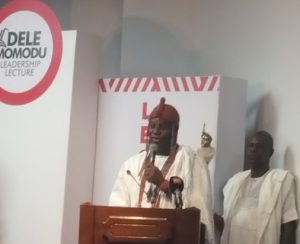
He lamented Nigeria’s reliance on imports, citing examples like apples and grapes that can be grown locally. “Even our leaders serve imported food at events,” he noted. The Ooni shared a personal anecdote about a locally made chair that broke, but instead of giving up, they learned from it. To achieve economic independence, the Ooni stressed the need for discipline, sacrifice, and confidence in local innovation.
Osun State Governor Ademola Jackson Adeleke discussed his governance approach, highlighting his five-point agenda focused on education and infrastructure. “Integrity is paramount,” he emphasized. “I prepared thoroughly before taking office, and within two years, we’ve constructed over 300 schools.”
Governor Adeleke also underscored the significance of cultural preservation, introducing traditional attire in executive sessions and promoting local tourism.
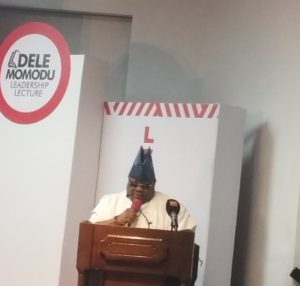
He encouraged active citizenship, stating, “You don’t need to be in government to lead; do your part and contribute to national growth.” He concluded by advocating for unity and collective effort as essential for sustainable governance.
Distinguished African leaders converged to emphasize the crucial role of education, patriotism, and moral leadership in combating hunger and poverty. Former President Obasanjo poignantly noted that neglecting to educate and integrate the uneducated masses could have severe repercussions, essentially saying, ‘If we don’t take care of them, they’ll take care of us”.This underscores the urgent need for visionary leaders who prioritize the welfare of their people.
In conclusion, effective leadership and national development require a multifaceted approach. By prioritizing education, embracing economic patriotism, preserving cultural heritage, and upholding integrity, we can build a stronger, more prosperous nation. As leaders and citizens, let us work together to drive positive change and create a brighter future for all.
Let’s work together towards unity, active citizenship, and collective effort to build sustainable governance. With visionary leadership, compassion, and a commitment to citizens’ well-being, we can create a brighter future where everyone can thrive and overcome poverty.




Leave a Reply