

Mobility Revolution: Nigeria’s Path to a Unified Transport System- NRC MD


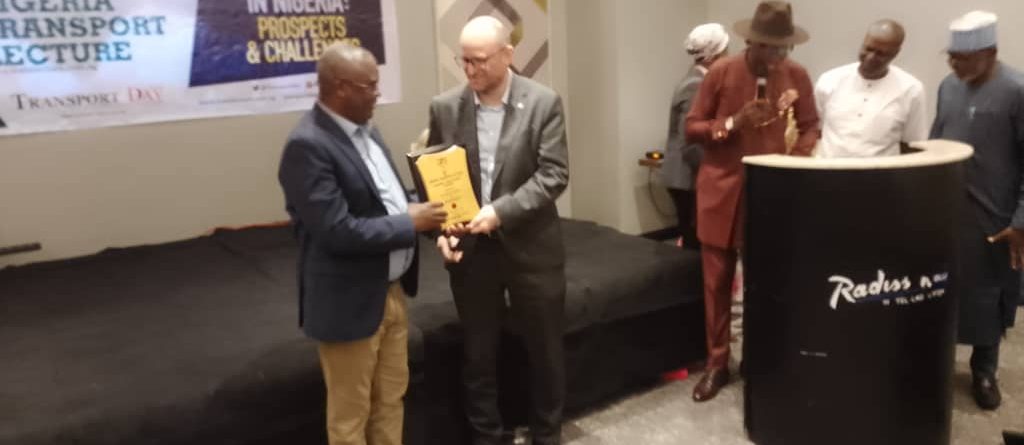
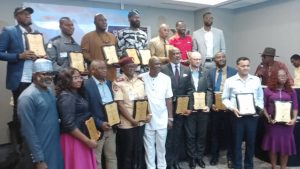
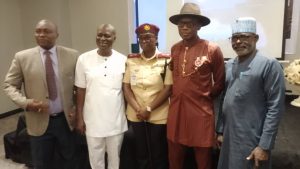
Delivering the keynote address at the 11th Annual Transport Day lecture in Lagos, Dr. Kayode Opeifa, NRC MD, emphasized the need for institutional reforms to transform Nigeria’s transportation industry. His presentation provided a roadmap for sustainable mobility solutions that could have a profound impact on the nation’s economic landscape.

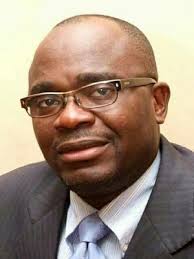

Dr. Kayode Opeifa, NRC MD,
A Unified Vision for Transportation
Dr. Opeifa’s keynote address, “Sustainable Transportation System in Nigeria: A Path to Economic Prosperity,” shed light on the pressing need for a holistic national transport policy. He emphasized that the current fragmented approach is hindering the optimal performance of rail, road, water, and air transport systems.
The NRC MD’s compelling analogy – “building a city without a master plan” – underscores the importance of a well-planned transportation system in driving economic prosperity.
Dr. Opeifa advocated for immediate action on three key areas: Setting up state Ministries of Transportation nationwide. Establishing standardized agencies for vehicle and driver administration. Developing a comprehensive Strategic Transportation Master Plan.This proposal involves creating new institutions, including Motor Vehicle Administration Agencies (MVAA) and Driver Licensing Administration Agencies (DLAA), in all 36 states.
Highlighting recent progress, Dr. Opeifa cited ongoing rail expansion projects, freight corridor development, and federal grants for state-level rail infrastructure as key drivers of sustainable development. He emphasized that these efforts can help Nigeria achieve the SDGs by improving mass transit accessibility, affordability, and environmental sustainability.
Unlocking Resources for Rail Development
Dr. Opeifa praised President Tinubu’s economic reforms, saying they have paved the way for a transport revolution. “The removal of fuel subsidies and exchange rate harmonization, despite initial difficulties, have freed up resources that are now being channeled into rail infrastructure development at a scale never seen before,” he stated.
A Call to Action
The lecture’s stakeholders outlined a roadmap for implementation, with a 12-month target for:
– Developing a National Transportation Policy
– Enacting model legislation for state transport agencies
– Fostering public-private partnerships for electric vehicle infrastructure
Given the sector’s underperformance, contributing only 1.5% to GDP, experts agree that Dr. Opeifa’s reform agenda is urgently needed. Will states incorporate these reforms into their 2026 budgets.
Clean Energy Momentum
Frank Kintum, publisher of Transport Day, aligned with Dr. Opeifa’s vision for a sustainable transport system, commending the federal government’s CNG initiative. “Nigeria can’t afford to lag behind in the global shift to cleaner energy – we must aggressively pursue electric vehicles and alternative fuels to secure our future,” Kintum urged.





Leave a Reply